
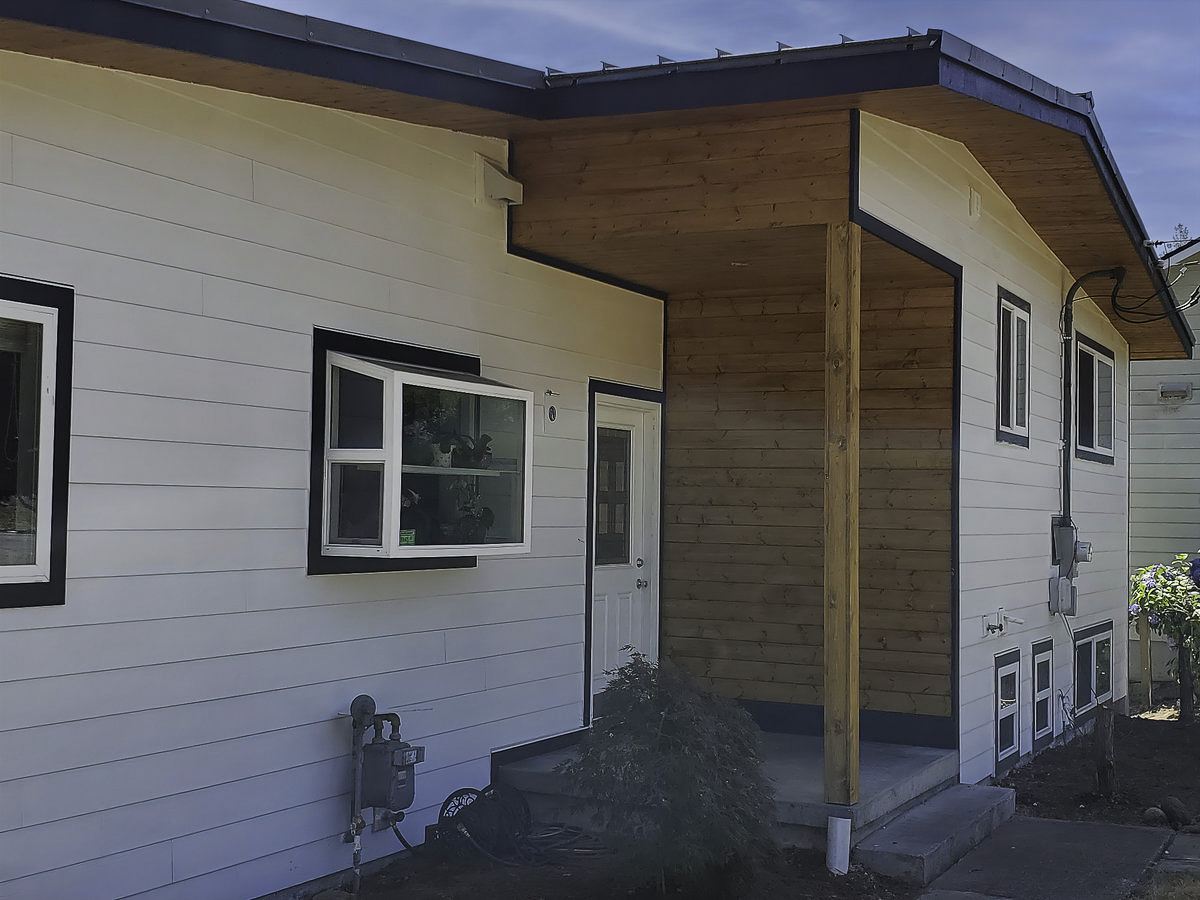
When vinyl siding makes sense
Vinyl siding can make sense when the goal is a cleaner exterior with lower maintenance and a more approachable budget. It may be a fit for rental properties, straightforward wall layouts, or homes where the owner wants to avoid regular repainting.
What changes vinyl siding pricing?
Thicker vinyl panels, darker colors, insulated backing, upgraded trim, and more detailed profiles can all raise the price. Labor also changes when the home has tall walls, complex cuts, many windows, or hidden repairs after tear-off.
Moisture details still matter
Vinyl is not a substitute for water management. House wrap, flashing, window details, clearances, and drainage paths still matter in Seattle and Tacoma weather. A lower-cost siding product still deserves a correct installation.
Vinyl vs fiber cement
Vinyl usually has a lower upfront cost than James Hardie or other fiber cement products. Fiber cement often wins on premium appearance, impact feel, and long-term curb appeal. The right choice depends on the house, budget, and finish expectations.
What should be included in a vinyl siding quote?
A useful vinyl siding estimate should explain the product line, thickness or grade, profile, color, trim package, corners, starter strips, J-channel, window and door transitions, house wrap, flashing, disposal, and cleanup. If existing siding is staying in place, the proposal should explain why. If old siding is being removed, it should explain how the wall will be inspected before new material goes on.
Ask whether the price includes removing and resetting exterior lights, hose bibs, vents, blocks, downspouts, and other wall penetrations. Those small details can affect both cost and appearance. A clean vinyl job depends on straight layout, proper expansion space, neat trim, and details that do not trap water.
When vinyl may not be the right fit
Vinyl may be less ideal when the homeowner wants a high-end architectural finish, dark custom colors, sharp modern panel lines, or a painted wood look. It can also be a weaker fit if the home has extensive rot or failing window details that need a more involved exterior rebuild. In those cases, fiber cement or a mixed-material plan may deliver a better long-term result.
For homeowners comparing multiple bids, the most useful question is not simply whether vinyl is cheaper. Ask whether the scope corrects the reason the old siding failed. If the project includes poor clearances, old leaks, or damaged trim, those items should be handled before vinyl goes on. A budget-friendly project can still be a responsible project when the wall is prepared correctly.
How Breeze Siding helps compare options
We look at the existing siding, trim, window details, budget goals, and expected finish level. Then we help decide whether vinyl, fiber cement, or another siding option is the better fit for the home. The right answer is the one that respects the budget while still protecting the wall and improving curb appeal.