
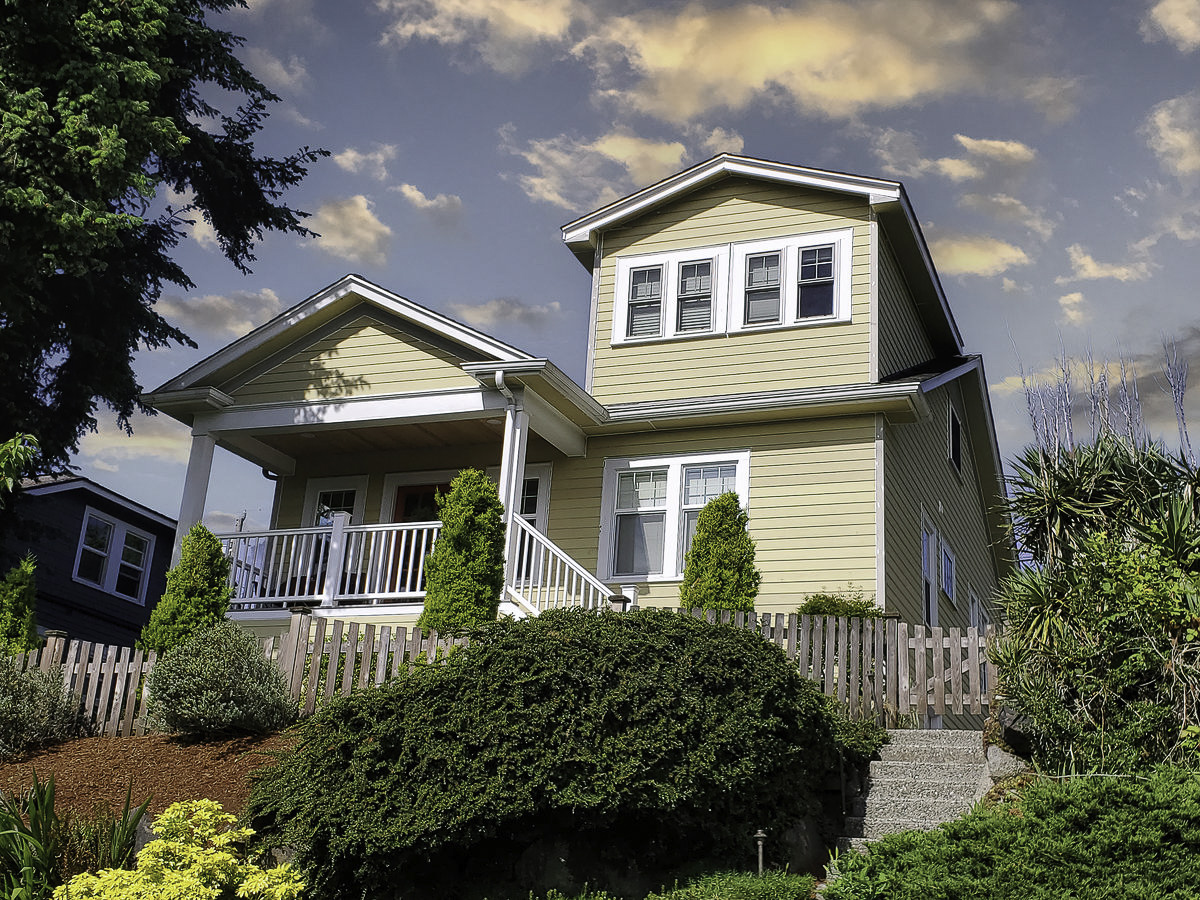
What insulation under siding can do
Depending on the home and wall assembly, exterior insulation can help reduce thermal bridging and improve comfort. It should be planned with the correct wall details, siding attachment, trim depth, flashing, and moisture management. The goal is a better exterior system, not simply adding another layer.
Moisture still comes first
Insulation does not replace house wrap, flashing, or good drainage. Any upgrade should work with the exterior wall system so the assembly can shed water and dry appropriately. In Seattle and Tacoma weather, that moisture strategy matters as much as the R-value conversation.
Not every project needs it
Some homes benefit more from air sealing, window improvements, attic insulation, crawlspace work, or targeted repairs. The right recommendation depends on the condition of the home, the budget, and whether the siding project is already opening the wall.
Questions to ask before adding insulation
Ask what type of insulation is being considered, how it changes trim depths, how windows and doors will be flashed, how siding will be attached, and how the wall will dry. A good answer should connect insulation to the whole exterior, including weather barrier, fasteners, corners, and penetrations.
Older homes can be especially sensitive to these details because the original wall assembly may not have been designed for the same materials. That does not mean insulation is a bad idea. It means the scope should be deliberate.
When it pairs well with siding replacement
Insulation discussions are most useful when the project already includes full siding removal, window work, weather barrier replacement, or trim redesign. At that point, the crew can see more of the wall and coordinate details before the finished siding goes on.
When to focus elsewhere first
If the home has active leaks, soft sheathing, dry rot, or failed flashing, those issues should be addressed before energy upgrades become the focus. A warmer wall is not helpful if moisture is still entering the assembly.
How insulation changes exterior details
Adding thickness to the exterior wall can affect window trim, door trim, corners, penetrations, and how siding fasteners reach the framing. It may also change the look of the finished profile. That is why insulation should be discussed before material orders and trim details are finalized.
For homeowners, the practical question is whether the comfort improvement is worth the added scope. If the siding is already coming off and the wall is accessible, the conversation is worth having. If the siding is staying in place, other energy upgrades may be more sensible first.
How Breeze Siding approaches comfort upgrades
Breeze Siding can talk through whether insulation belongs in the siding scope, or whether the better first step is house wrap, flashing, window coordination, or repair work. The goal is to improve comfort without creating new moisture problems.