
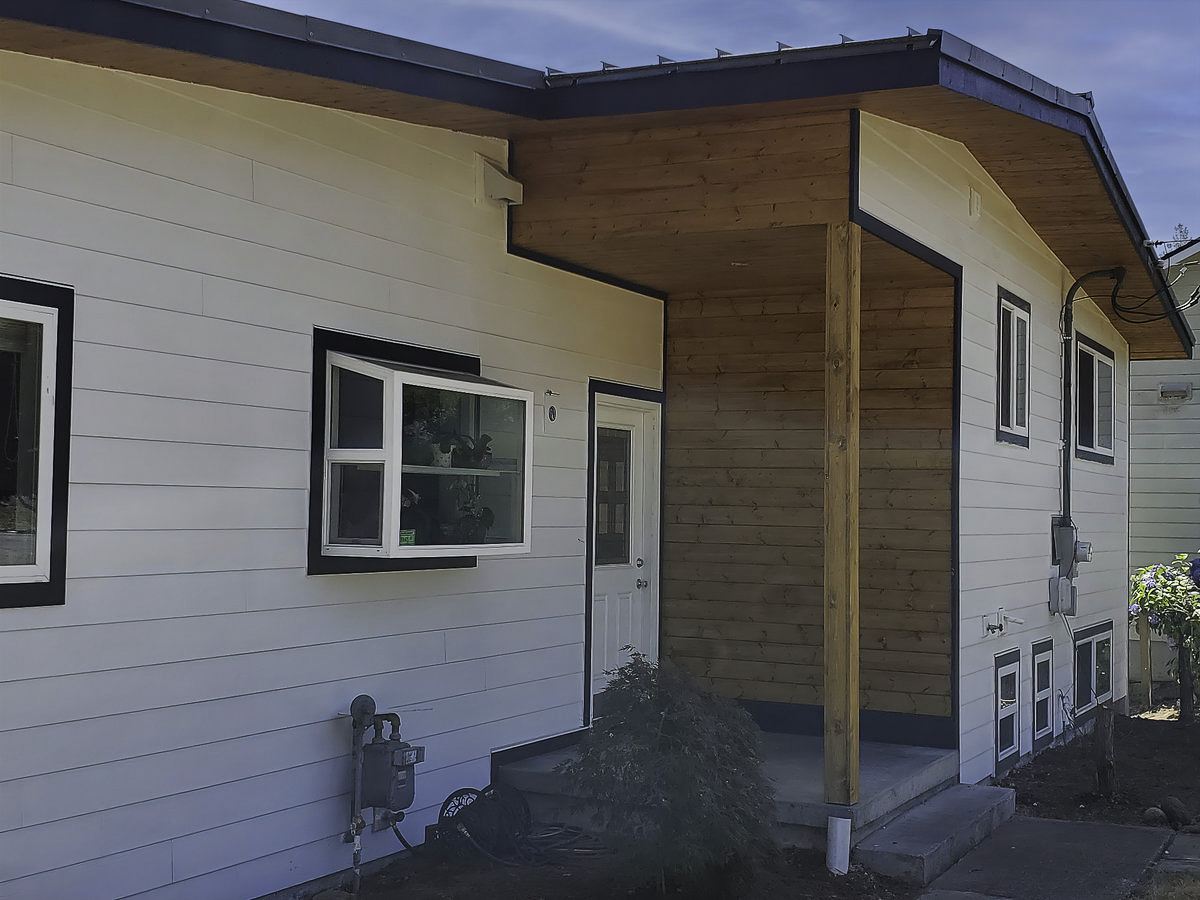
Repair, repaint, or replace?
If the siding is mostly sound and the issue is surface wear, painting or limited repair may be enough. If there are soft boards, widespread swelling, failing trim, repeated caulk failure, or leaks around windows, replacement may be the better long-term decision.
Repeated paint failure is a clue
Paint that peels or bubbles in the same areas can indicate trapped moisture, poor clearance, or a failing surface. Painting over those symptoms can delay the decision but usually does not solve the cause.
Window and trim damage matters
Window corners, lower trim boards, and deck connections are common failure points. If those areas are damaged, the siding scope should include weather barrier, flashing, and trim correction.
Curb appeal and value
Replacing siding can make the home look much better, but the real value comes from combining the visible improvement with a smarter exterior system. Better siding, trim, and window details can improve comfort, reduce maintenance pressure, and help protect the wall assembly.
Signs the problem is bigger than paint
Paint can freshen a home, but it cannot rebuild a failing wall assembly. If siding feels soft, pulls away from the wall, has swollen edges, or shows waves and gaps after wet weather, the material may no longer be doing its job. If trim repairs keep returning in the same spots, the problem may be water entry or poor clearance rather than normal aging.
Interior clues can matter too. Cold rooms, musty smells, stained drywall, or visible moisture around windows may point to exterior details that need attention. A siding estimate should connect those symptoms to the wall outside instead of treating each sign as a separate problem.
When replacement is a smart investment
Replacement often makes sense when a homeowner wants to stay in the home, improve curb appeal, reduce ongoing maintenance, and solve recurring exterior issues in one coordinated project. It can also make sense before listing a home if the existing siding is visibly worn, damaged, or dragging down the first impression. The right scope depends on how much damage is present and what level of finish the homeowner wants.
What to document before calling
- Photos of soft trim, swollen siding, stains, or gaps.
- Which sides of the home see the most rain, shade, or wind.
- Past repairs, paint dates, and any known leak history.
- Whether windows, paint, gutters, or deck details should be reviewed too.
How Breeze Siding helps decide
We review the siding condition, trim, windows, repair areas, and homeowner goals. From there, we can recommend whether the project should be repair-focused, paint-focused, or a full replacement scope. The goal is to solve the right problem instead of spending money twice.