
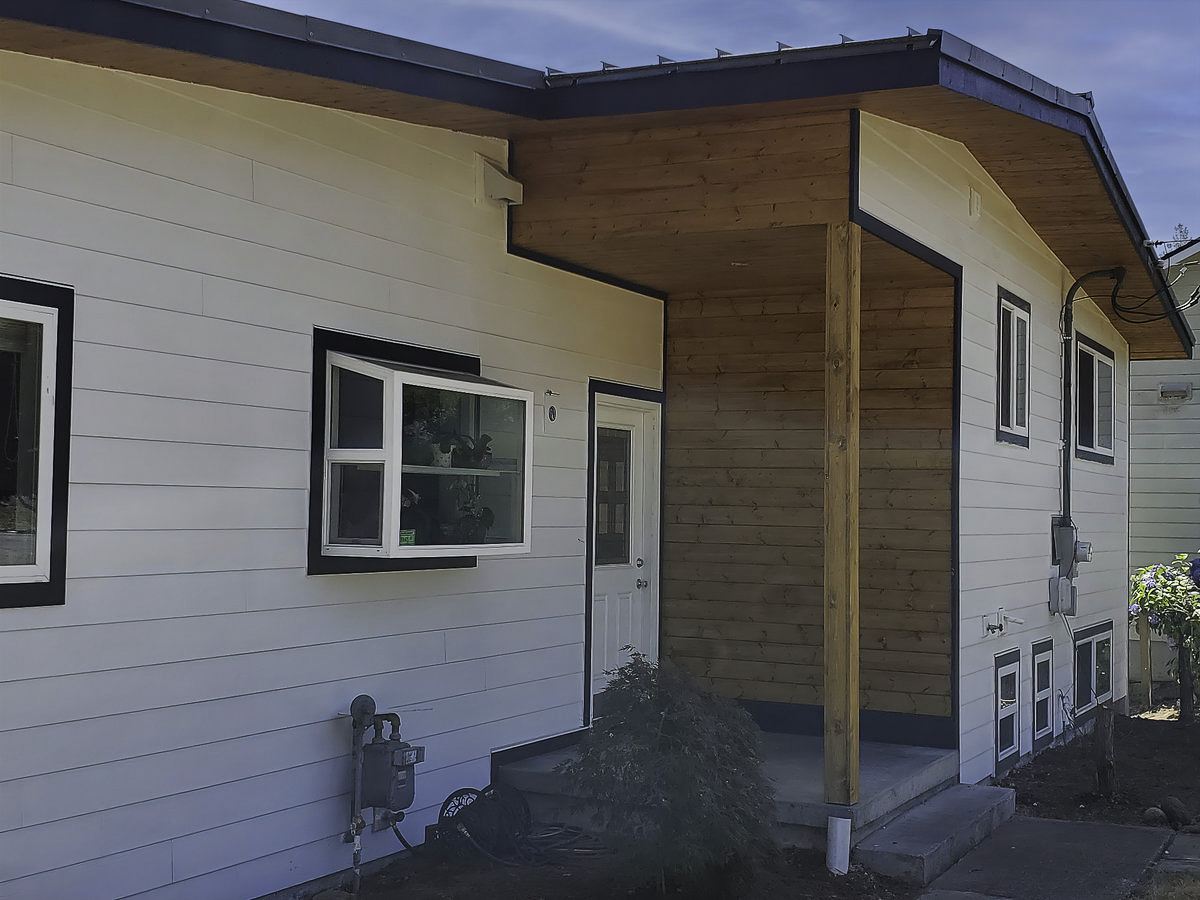
What a proper dry rot repair should include
A lasting repair starts with investigation. The damaged area may need to be opened enough to see how far moisture traveled. Rotten trim, siding, sheathing, or framing should be removed back to sound material, and the water-management detail should be corrected before the wall is closed.
Why quick patches fail
Surface filler, extra caulk, or paint can hide symptoms for a short time, but those fixes do not solve trapped moisture or decayed wood. If the underlying problem remains, the damage can return or continue behind the surface.
When siding replacement is the right time to repair
Siding tear-off is often the best time to inspect corners, window openings, sheathing, and old trim. If damage is found, it can be documented and repaired before new siding, wrap, flashing, and trim are installed.
Seattle and Tacoma homes have predictable weak points
Shaded elevations, older windows, low clearances, decks attached to walls, and roof-to-wall intersections all deserve a careful look. A good scope explains where those risks are and how the replacement will handle them.
What homeowners should do when they suspect rot
Do not rely on the surface appearance alone. A board can look mostly normal while the back side is soft. If trim feels spongy, paint bubbles in one area, or a window corner keeps opening up, document it with photos and avoid sealing the area blindly. Trapping moisture can make the problem worse.
During an estimate, point out every known concern, even if it seems small. Tell the contractor about past leaks, pest activity, soft drywall, previous patches, or areas where paint fails faster than the rest of the home. Those clues help narrow the likely moisture path.
Repair scope vs full replacement
Localized rot may be handled with targeted trim, siding, or sheathing repair. Widespread damage, repeated failures, or multiple leak-prone openings can justify a larger siding replacement scope. The decision should be based on the number of affected areas, the condition of the existing siding, and whether the wall system can be corrected in a limited repair.
How repair allowances should be discussed
Because hidden damage is not always visible before tear-off, a clear project should explain how additional repairs are priced, documented, and approved. That keeps the homeowner from feeling surprised and keeps the crew from covering damaged material just to stay on schedule.
How Breeze Siding approaches rot-prone areas
During an estimate, we look for visible signs of moisture movement and talk through likely repair areas. During work, hidden damage is reviewed before it is covered so homeowners understand what needs to be fixed and why.
For general building-science context, homeowners can also review moisture-control guidance from the Building America Solution Center.