Why a rainscreen approach can help in Northwest weather
Siding sheds most rain, but no cladding should be treated as perfectly waterproof forever. Wind-driven rain, trim joints, penetrations, window openings, and age can all allow some moisture behind the finished surface. A rainscreen approach accepts that reality and gives moisture a safer way to escape.
The key layers
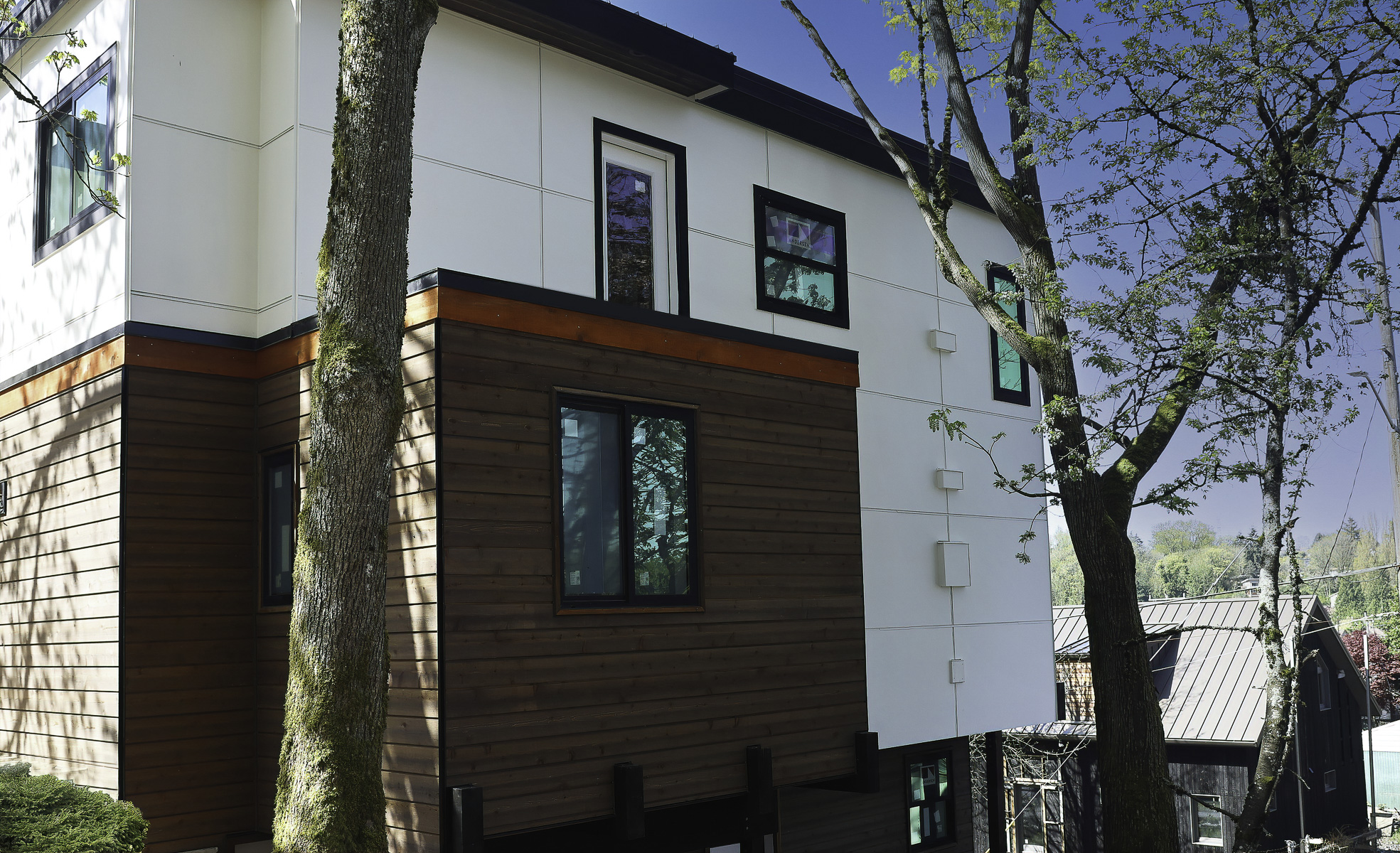
The finished siding is the visible layer. Behind it, the wall needs a weather-resistive barrier, carefully integrated flashing, and a drainage plane. The rainscreen gap helps separate the cladding from the WRB so water can drain and air can help the wall dry.
Where VaproShield-style systems come in
Some projects use advanced WRB, air-barrier, or rainscreen products to simplify or improve the assembly. For example, VaproShield describes products that combine water-resistive and air-barrier functions with rainscreen drainage options. Product selection should still be matched to the siding type, wall condition, and project details instead of chosen from a brochure alone.
When it is worth discussing
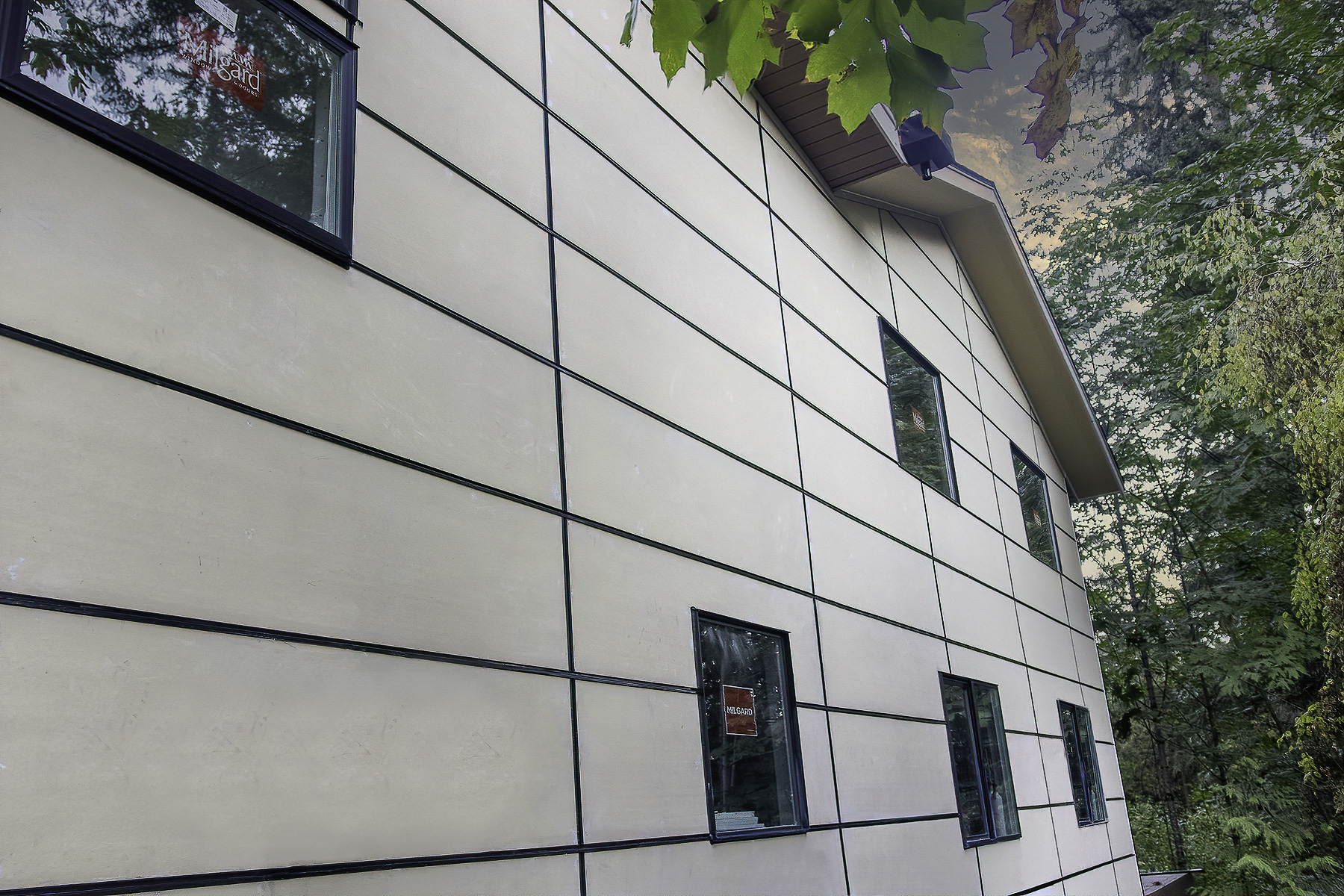
A rainscreen conversation is especially useful when the home has repeated moisture problems, cedar or wood siding, modern panel siding, shaded elevations, commercial cladding, or walls where drying potential matters. It may also be worth discussing during a full tear-off because the wall is already open enough to review sheathing, flashing, and existing damage.
What homeowners should ask before approving a siding scope
Ask how water exits the wall, how windows and penetrations are flashed, whether damaged sheathing will be repaired before the WRB goes on, and whether a drainage gap is recommended for the specific elevations on your home. A contractor should be able to explain the assembly in plain language.
Not every wall needs the same treatment. A simple garage wall in full sun may not need the same assembly as a shaded second-story wall above a deck. A high-end panel project may also need more layout and drainage planning than a straightforward lap siding replacement.