What a proper James Hardie siding scope should include
A useful Hardie estimate should explain more than square footage. It should describe tear-off, disposal, wall inspection, weather barrier, trim, flashing, caulking or joint treatment, paint or finish approach, and how any hidden rot or sheathing damage will be handled once old siding is removed.
Wall prep and weather barrier
The layer behind the siding matters in the Pacific Northwest. When siding fails, it is often because water is being trapped or directed into the wrong place around windows, decks, lower walls, rooflines, or penetrations. A good Hardie install starts with understanding those vulnerable areas.
Trim and layout
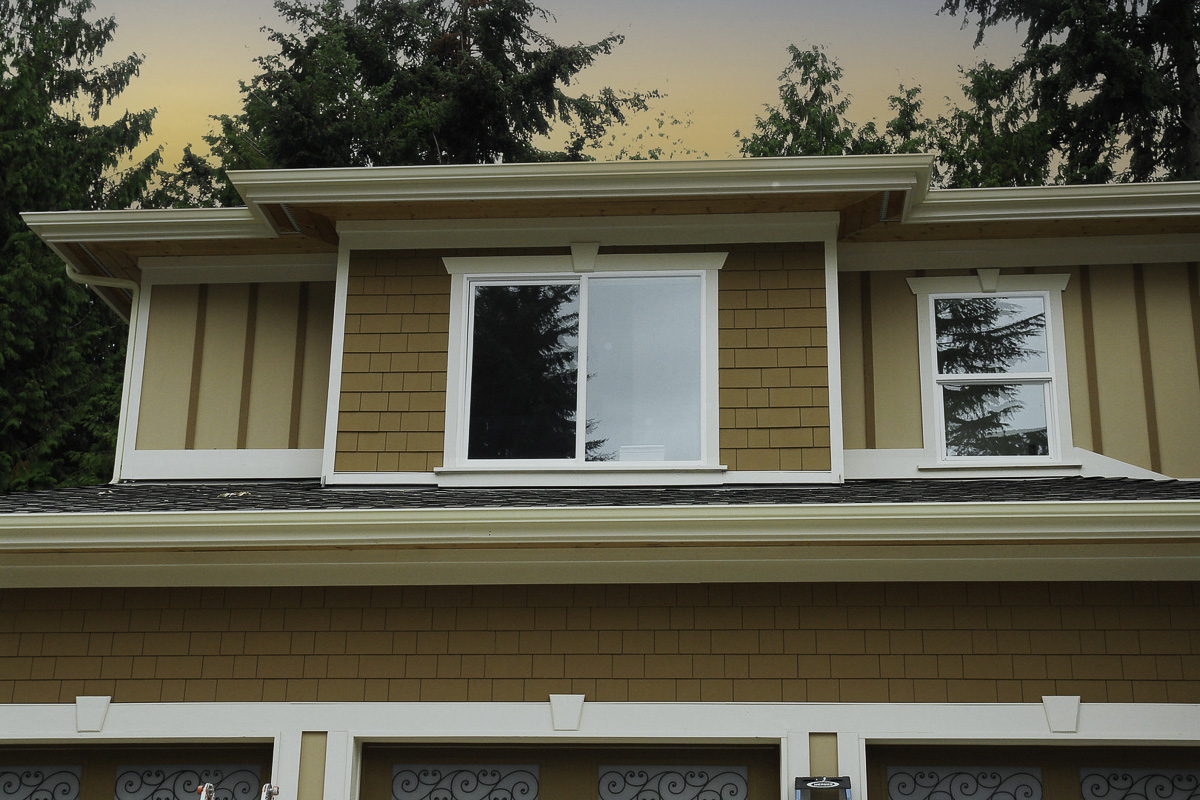
Hardie siding can look clean and substantial, but only when the layout is deliberate. Window trim, corner boards, belly bands, panel reveals, gable details, and transitions between materials should feel planned instead of patched together.
Paint and finish planning
Homeowners may choose prefinished product or field-applied paint depending on the scope and color goals. Either way, the finish should be coordinated with product requirements, caulking strategy, trim style, and future maintenance expectations.
Where Breeze Siding adds value
We look closely at the existing exterior before recommending a full replacement, partial repair, or mixed-material approach. If the home has soft trim, window leaks, low clearances, or possible dry rot, those issues should be part of the conversation early so the project does not become a surprise halfway through.
For homeowners comparing bids, we help clarify what is included, where quality differences show up, and which decisions affect the final look. A lower price can be attractive, but it may leave out trim, flashing, repairs, finish details, or cleanup that matter once the work begins.
James Hardie siding for Seattle, Bellevue, Tacoma, and Puyallup homes
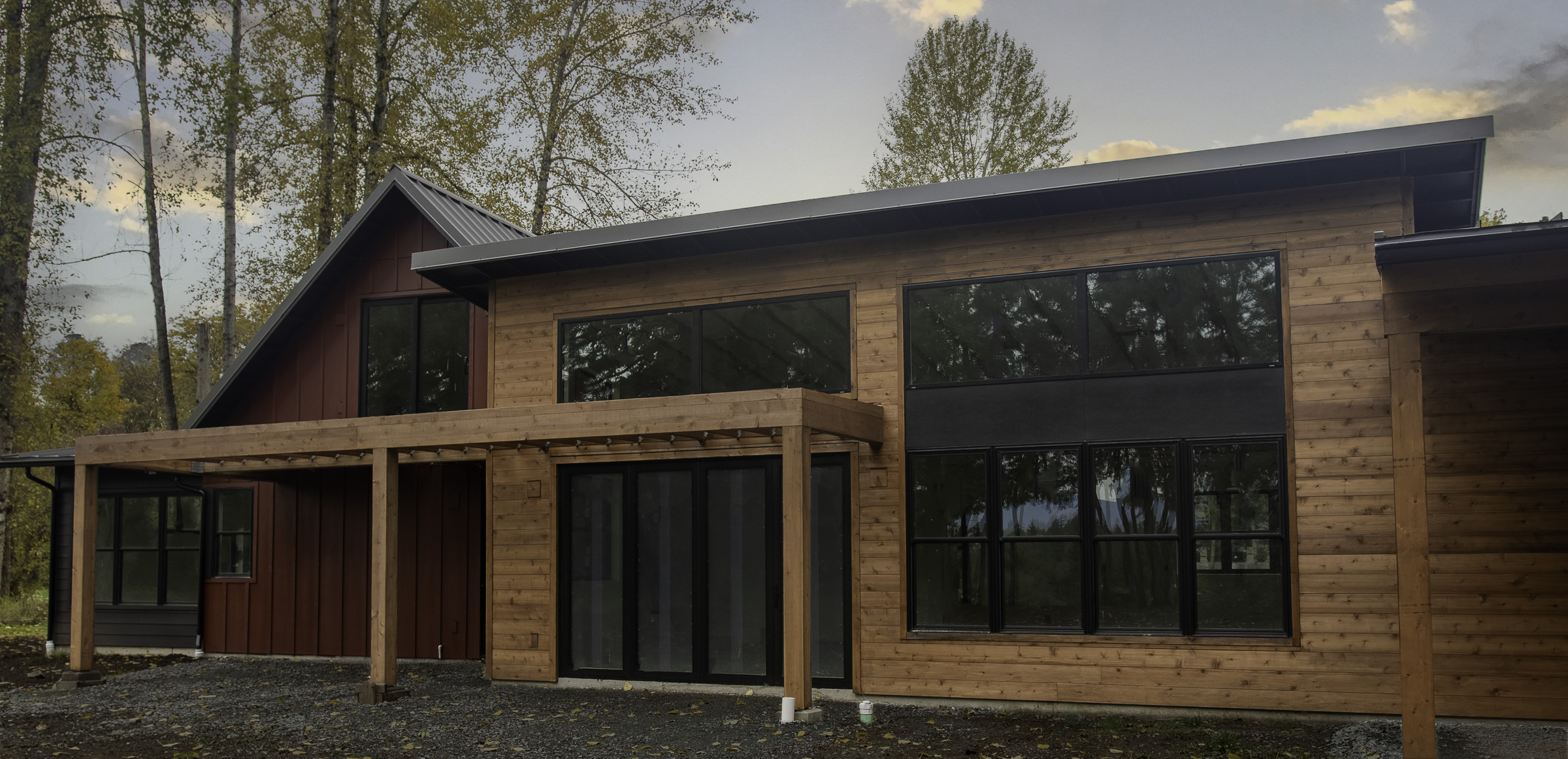
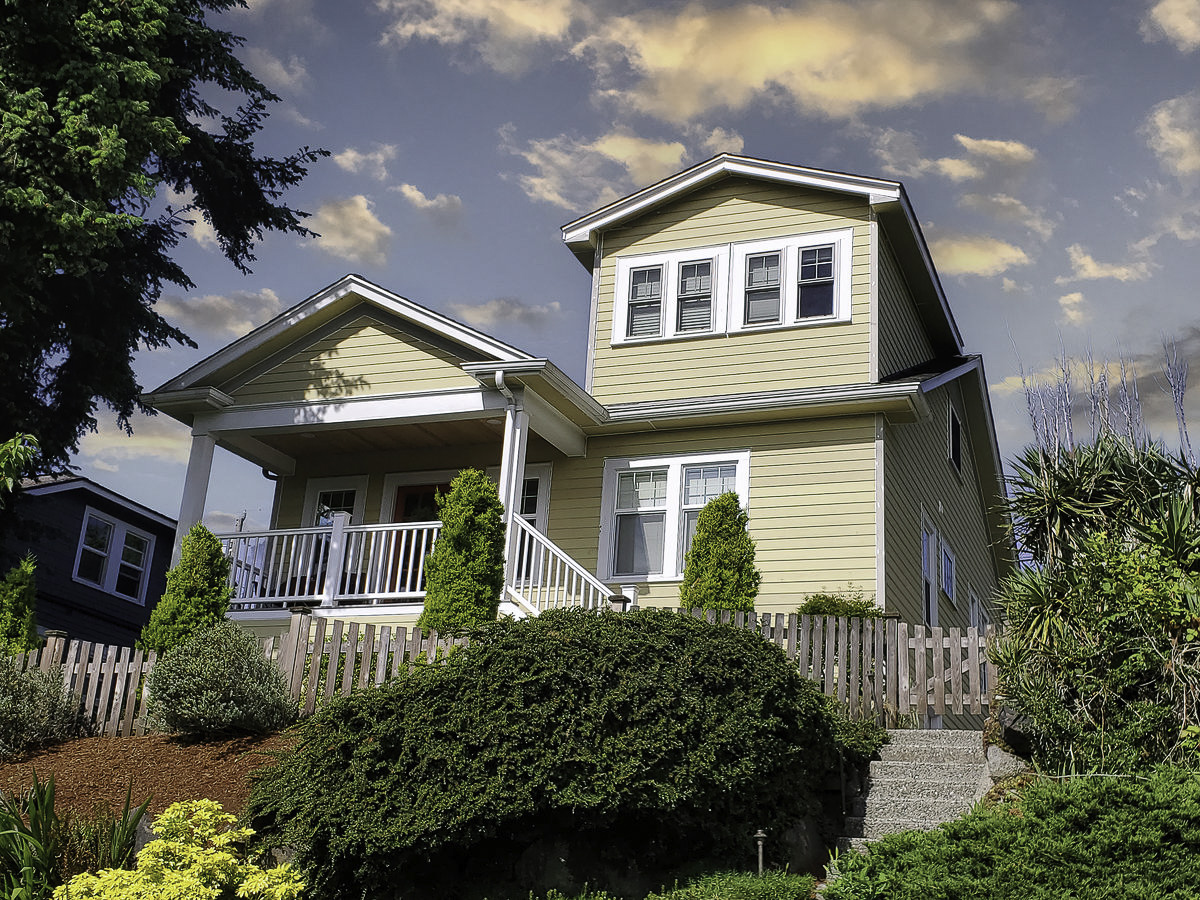
Seattle and Bellevue homes often need a refined finish that fits high-value neighborhoods and older architectural details. Tacoma, Puyallup, Kent, and Auburn homes may need strong weather protection, practical repair planning, and a clean curb-appeal upgrade. Issaquah, Sammamish, and Mercer Island homes may call for premium material combinations, panel accents, or carefully detailed modern exteriors.
Each area has different housing styles, but the same principle holds: the exterior should fit the home, protect the wall, and look like it was designed with purpose.