
Seattle-Tacoma Siding Repair

Siding repair that solves the problem behind the damage.

Breeze Siding helps Puget Sound homeowners review damaged siding, soft trim, dry rot, leaking window areas, and partial replacement needs before small exterior issues become expensive wall problems.

Dry rot review
Trim and flashing details
Partial replacement options
Seattle to Tacoma service

Good siding repair starts with finding why the siding failed.

In Western Washington, siding damage is often connected to moisture, shade, poor clearances, missing flashing, old caulk joints, deck connections, roofline splashback, or window openings that were not detailed correctly. A surface patch may hide the problem for a while, but it will not protect the home if water is still getting behind the exterior.

Breeze Siding approaches repair work by looking at the whole exterior detail: siding material, trim condition, window edges, penetrations, flashing, house wrap, wall clearances, and the path water is likely taking. That helps separate cosmetic repair from a deeper siding or wall-system issue.

The goal is not to sell every homeowner a full replacement. The goal is to identify whether repair, partial replacement, or full siding replacement is the smarter long-term move.

Common siding repair calls

  • Soft or swollen trim around windows, doors, and corners.
  • Fiber cement siding damage, cracked boards, loose boards, or poor clearances.
  • Dry rot discovered near lower walls, deck connections, or roof-to-wall transitions.
  • Water stains or interior leaks that may be connected to siding and flashing details.
  • Partial siding replacement where one wall or elevation has failed faster than the rest of the home.
Repair vs Replacement

Some siding problems can be repaired. Others are signs the wall needs a larger scope.

A targeted repair can make sense when damage is isolated, the surrounding siding is still sound, and the water source can be corrected. Partial replacement can make sense when one side of the home has more exposure, shade, or repeated failure than the others. Full replacement becomes the better choice when many areas are failing, the material is near the end of its useful life, or the homeowner wants to solve siding, trim, windows, and curb appeal together.

The key is being honest about what the exterior is telling you. If the same trim keeps rotting, paint keeps peeling in the same place, or water stains return after caulking, the home may need flashing, drainage, or siding-system correction rather than another small patch.

When repair is usually reasonable

  • Damage is limited to a small trim or siding area.
  • The surrounding siding is still flat, firm, and properly attached.
  • The likely moisture source can be corrected.
  • The repair will not leave an obvious mismatched patch on the main elevation.

Dry rot and soft trim

Soft boards should be opened enough to see the real damage. Rotten trim, siding, or sheathing should be removed back to sound material before the wall is closed.

Window and flashing leaks

Water at a window is often a detail issue. The repair may involve trim removal, flashing correction, siding repair, or window coordination.

Partial siding replacement

If one wall has failed faster than the rest of the home, partial replacement may be a practical bridge between a small repair and a full exterior project.

Northwest Weather

Seattle-area siding repairs need to account for rain, shade, and trapped moisture.

Homes around Seattle, Tacoma, Bellevue, Puyallup, Kent, Auburn, and the South Sound see long damp seasons. North-facing walls, tree-covered lots, low clearances, and older window details can keep siding wet longer than expected. That is why repairs should be planned around water movement, not just appearance.

On repair visits, it helps to share photos, timing, and history: when the issue appeared, whether it follows wind-driven rain, whether paint has failed there before, and whether any interior staining or softness exists. Those clues help point toward the right repair path.

Helpful details to send

  • Photos of the full wall and close-ups of the damaged area.
  • Which side of the home the issue is on.
  • Any known leak, paint, caulk, or past repair history.
  • Whether windows, gutters, decks, or rooflines are nearby.
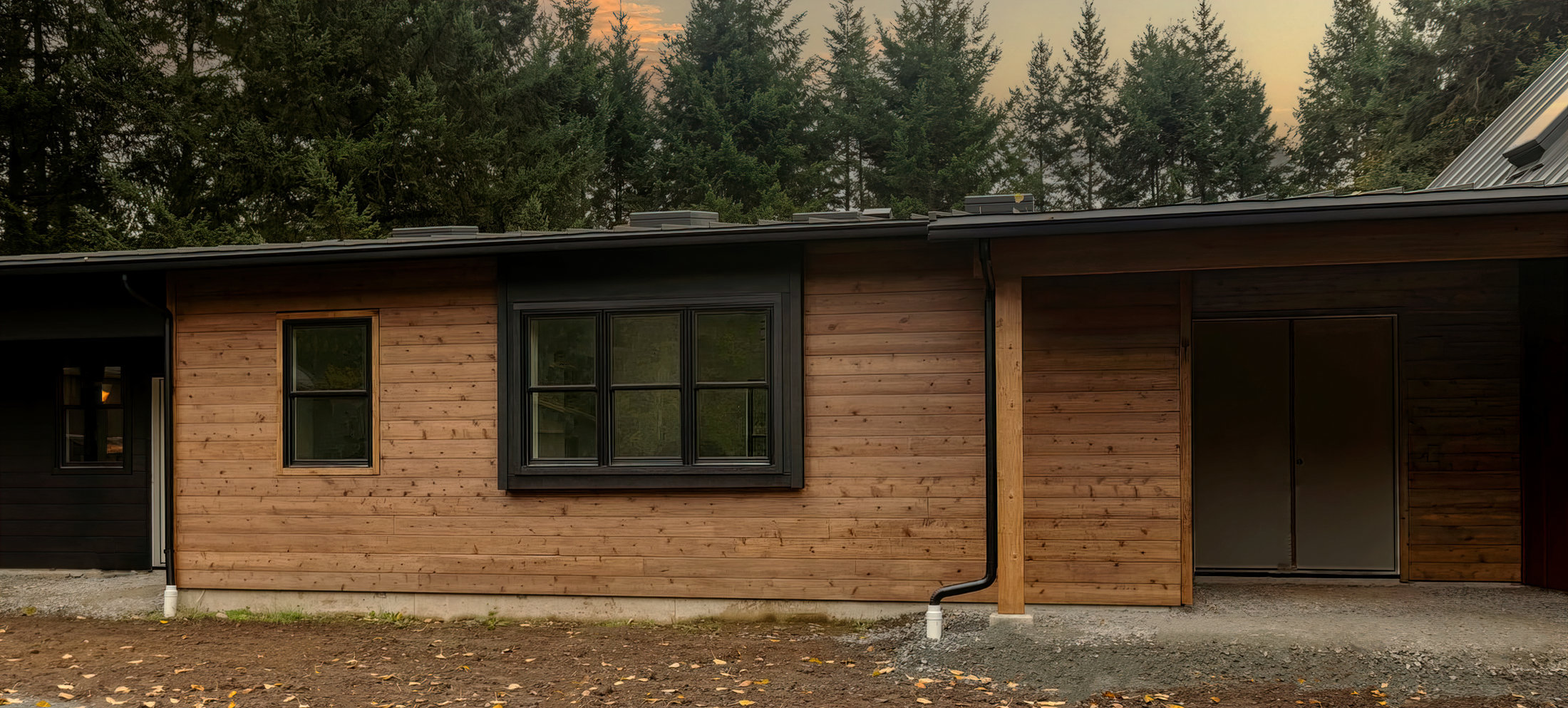
Cedar siding and black trim detail by Breeze Siding
Clean trim and siding details help repairs blend into a sharper exterior.
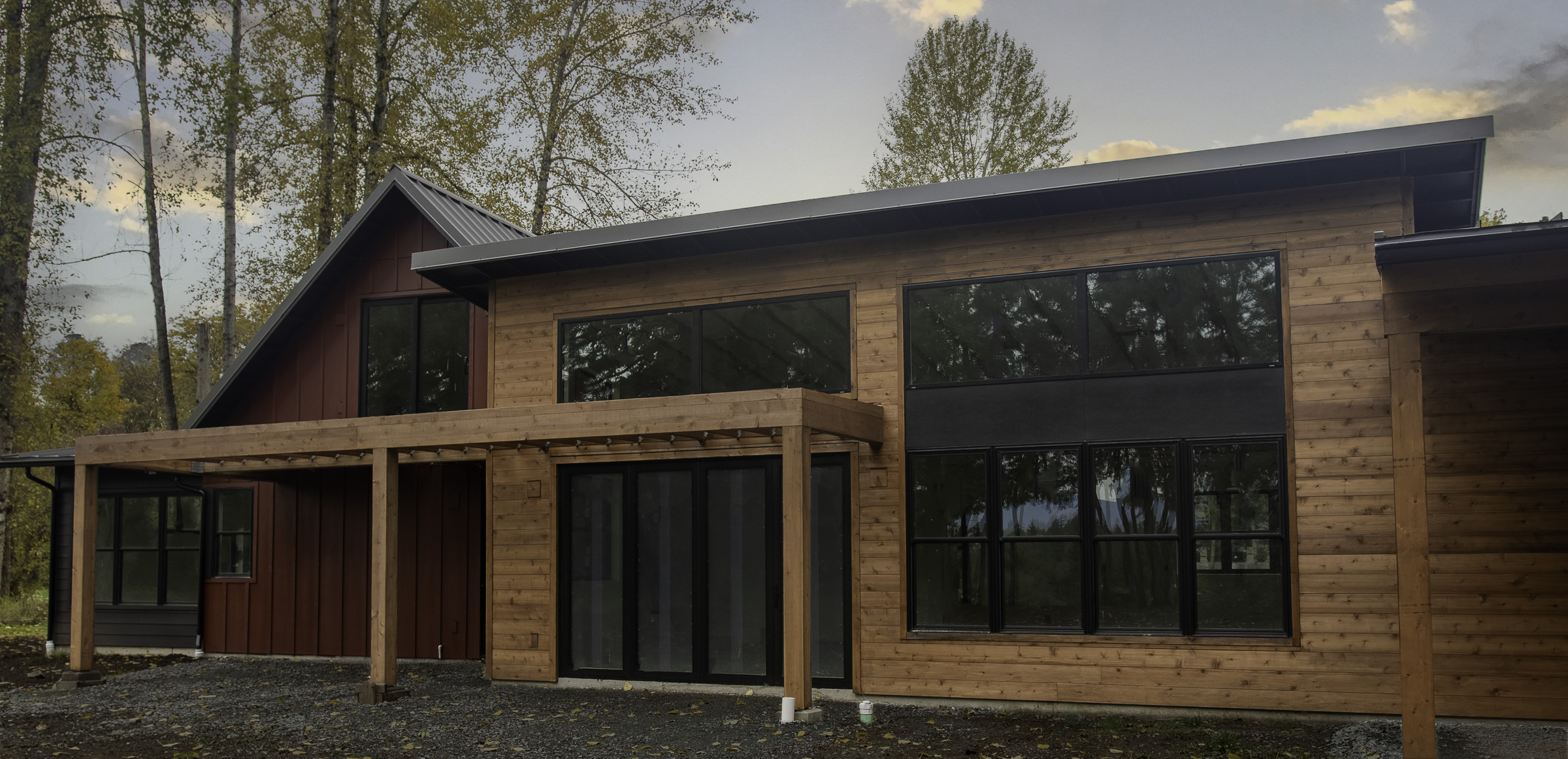
Cedar channel lap siding detail with clean reveal lines
High-end siding details need careful layout, especially when repair work touches visible walls.

How Breeze Siding Helps

A practical review before you spend money twice.

Inspect the detail

We look beyond the damaged board and review nearby trim, windows, flashing, clearances, and water paths.

Explain the options

Repair, partial replacement, and full replacement should each be discussed when the home could reasonably go more than one direction.

Protect the finish

The repair should support the final appearance of the home, not leave the exterior looking patched or unfinished.

Request a Review

Not sure if your siding needs repair or replacement?

Use the estimate form and describe what you are seeing. Breeze Siding will follow up for a useful first conversation about the home, the damaged area, and the next best step.

Call Breeze Siding